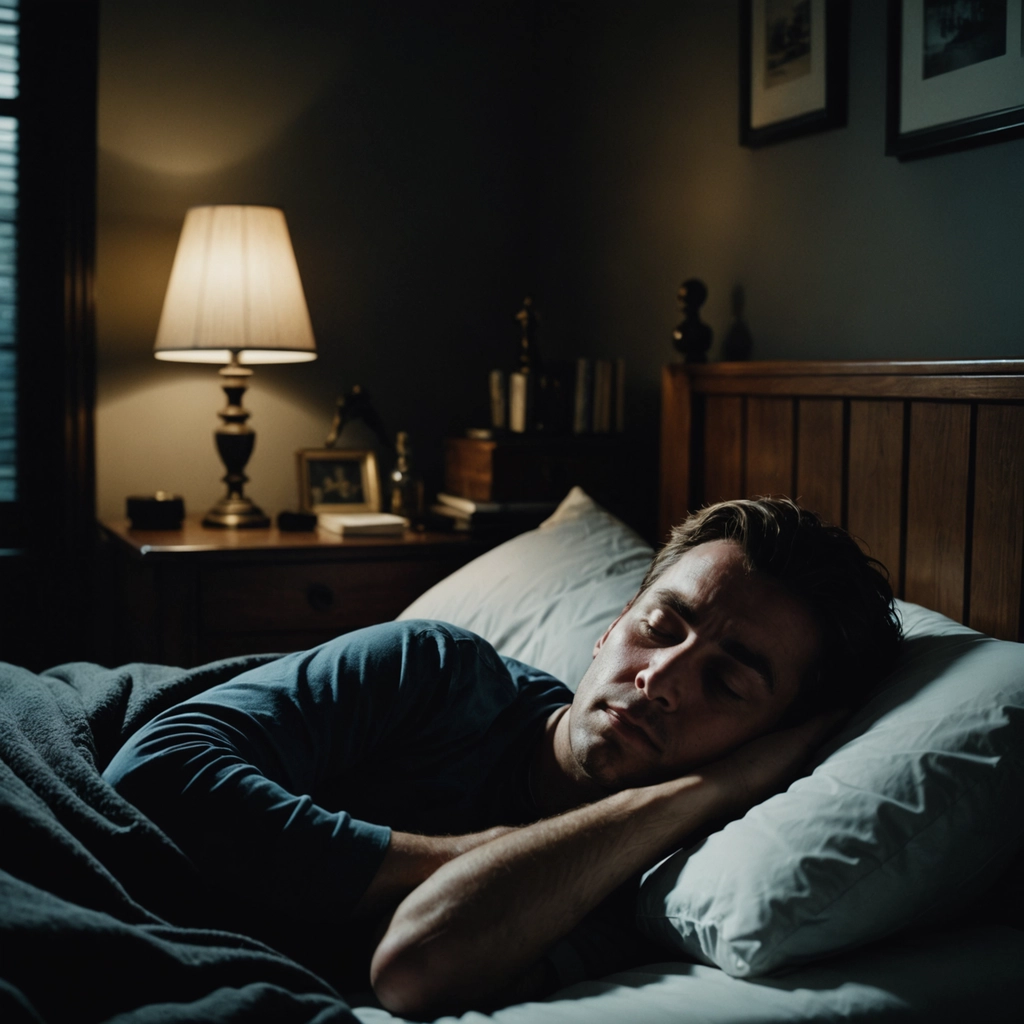
If you’ve realized you grind your teeth at night, your next question is simple: how do you stop it?
That’s where things get a little more nuanced. Bruxism isn’t something you can switch off. It’s a deep-seated habit and happens at night when your unaware. But the good news is this: you can reduce it, manage it, and in many cases, almost eliminate the damage it causes.
The key is to approach it from multiple angles. You’re not just treating the grinding itself. You’re addressing the reasons behind it while protecting your teeth in the process.
Let’s walk through what actually works.
Start With Protection: Stop the Damage First
Before you solve the root cause, you need to protect your teeth.
Use a Night Guard
A night guard is often the first and most effective step.
It’s a small device you wear over your teeth while you sleep. It acts as a barrier, so even if you grind, your teeth don’t take the impact.
There are two main types:
- Over-the-counter guards: These are cheaper and available at most pharmacies. You usually soften them in hot water and mold them to your teeth.
- Custom night guards: Made by a dentist to fit your bite perfectly. They’re more comfortable, last longer, and offer better protection.
If your grinding is frequent or severe, a custom guard is worth it. It won’t stop the grinding completely, but it will prevent cracks, wear, and jaw strain.
Think of it as damage control while you work on the deeper causes.
Reduce Stress Before Bed
For many people, stress is the biggest driver of bruxism. You may not feel tense, but your body is holding onto it. Nighttime is when that tension shows up.
Build a Simple Wind-Down Routine
You don’t need anything complicated. What matters is consistency. Try this:
- Turn off screens 30–60 minutes before bed
- Dim the lights in your space
- Do something repetitive and calm like reading or light stretching
Your goal is to signal to your body that it’s safe to relax.
Try Targeted Relaxation Techniques
Some methods work better than others for jaw tension specifically.
- Progressive muscle relaxation: Slowly tense and release each muscle group, including your jaw
- Deep breathing: Inhale slowly through your nose, exhale longer than you inhale
- Jaw awareness: During the day, check if your teeth are touching. They shouldn’t be unless you’re eating
A simple habit like placing your tongue lightly between your teeth can help train your jaw to stay relaxed.
Improve Your Sleep Quality
Bruxism often shows up alongside poor sleep. If your sleep is light, interrupted, or inconsistent, your body is more likely to grind.
Fix the Basics First. These small changes go a long way:
Go to bed and wake up at the same time every day
Keep your bedroom cool, dark, and quiet
Avoid heavy meals right before bed
Limit caffeine after mid-afternoon
Watch for Signs of Sleep Disorders
If you snore loudly, wake up gasping, or feel exhausted during the day, grinding could be linked to a sleep condition. In that case, you’re not just dealing with bruxism. You’re dealing with a sleep issue that needs proper treatment.
A sleep study can help identify what’s going on.
Change Daytime Habits That Trigger Night Grinding
What you do during the day carries into the night more than you think.
Cut Back on Stimulants
Caffeine, nicotine, and alcohol can all increase muscle activity during sleep.
You don’t necessarily need to quit completely, but timing matters.
Avoid caffeine at least 6 hours before bed
Limit alcohol in the evening
Reduce or eliminate nicotine use if possible
These changes alone can reduce grinding intensity for some people.
Stop Daytime Clenching
Many people who grind at night also clench during the day.
This keeps your jaw muscles overworked, making nighttime grinding worse.
Try this quick check throughout the day:
Are your teeth touching?
Is your jaw tight?
Are you clenching without realizing it?
Your jaw should be relaxed, lips closed, teeth slightly apart.
Setting reminders on your phone can help you build this awareness.
Train Your Jaw to Relax
Your jaw muscles can be retrained over time.
Simple Jaw Exercises
A few minutes a day can help reduce tension:
Gently open your mouth as wide as comfortable, hold for a few seconds, then relax
Move your jaw side to side slowly
Massage the muscles near your ears and along your jawline
These exercises improve flexibility and reduce tightness.
Apply Heat Before Bed
A warm compress placed on your jaw for 10–15 minutes can relax muscles before sleep.
It’s a small step, but it can reduce how much tension you carry into the night.
Look at Your Bite and Dental Health
Sometimes your teeth themselves contribute to the problem.
Get a Dental Evaluation
A dentist can check for:
Uneven wear patterns
Bite alignment issues
Damage caused by grinding
In some cases, adjusting the bite or smoothing certain areas can reduce irritation that triggers grinding.
However, this is usually part of a broader plan, not a standalone fix.
Review Your Medications
If your grinding started after beginning a new medication, there may be a connection.
Certain drugs, especially those that affect brain chemistry, can increase the likelihood of bruxism.
Don’t stop taking anything on your own. Instead:
Talk to your doctor about your symptoms
Ask if adjustments or alternatives are possible
Sometimes a small change can make a big difference.
Consider Professional Treatments
If basic strategies aren’t enough, there are additional options.
Behavioral Therapy
Cognitive behavioral therapy (CBT) can help reduce stress and change patterns that contribute to grinding.
It’s especially useful if anxiety or chronic stress is a major factor.
Biofeedback
This technique uses sensors to help you become aware of muscle activity.
Over time, it can train your body to reduce clenching, even during sleep.
It’s not the most common treatment, but it can be effective in certain cases.
Botox for Severe Bruxism
In more serious cases, small doses of Botox can be injected into the jaw muscles.
This weakens the muscles just enough to reduce grinding force without affecting normal function.
It’s typically used when other treatments haven’t worked and should only be done by a qualified professional.
Be Patient With the Process
This is important: bruxism doesn’t usually disappear overnight.
You’re dealing with a pattern that your body has learned, often over years.
What works is consistency.
Wearing your night guard every night
Keeping a steady sleep routine
Managing stress regularly, not occasionally
You may not notice changes immediately, but over time, symptoms like jaw pain, headaches, and tooth sensitivity should improve.
A Simple Plan to Get Started
If you’re feeling overwhelmed, start here:
Get a night guard to protect your teeth
Reduce caffeine and alcohol in the evening
Build a 30-minute wind-down routine before bed
Check your jaw tension during the day
Use heat or gentle massage on your jaw at night
These five steps alone can make a noticeable difference.
When to Seek Help
If you’re still experiencing:
Persistent jaw pain
Cracked or worn teeth
Frequent headaches
Poor sleep despite changes
it’s time to get professional support.
A dentist, doctor, or sleep specialist can help you pinpoint what’s driving your bruxism and guide you toward more targeted treatment.
The Bottom Line
Stopping teeth grinding isn’t about one quick fix. It’s about understanding what your body is reacting to and making small, consistent changes.
Protect your teeth first. Then work on stress, sleep, and daily habits.
With the right approach, you can reduce grinding, ease discomfort, and prevent long-term damage. It takes effort, but it’s absolutely manageable.